
Our systems · Fort Worth, TX
The Metallic System.
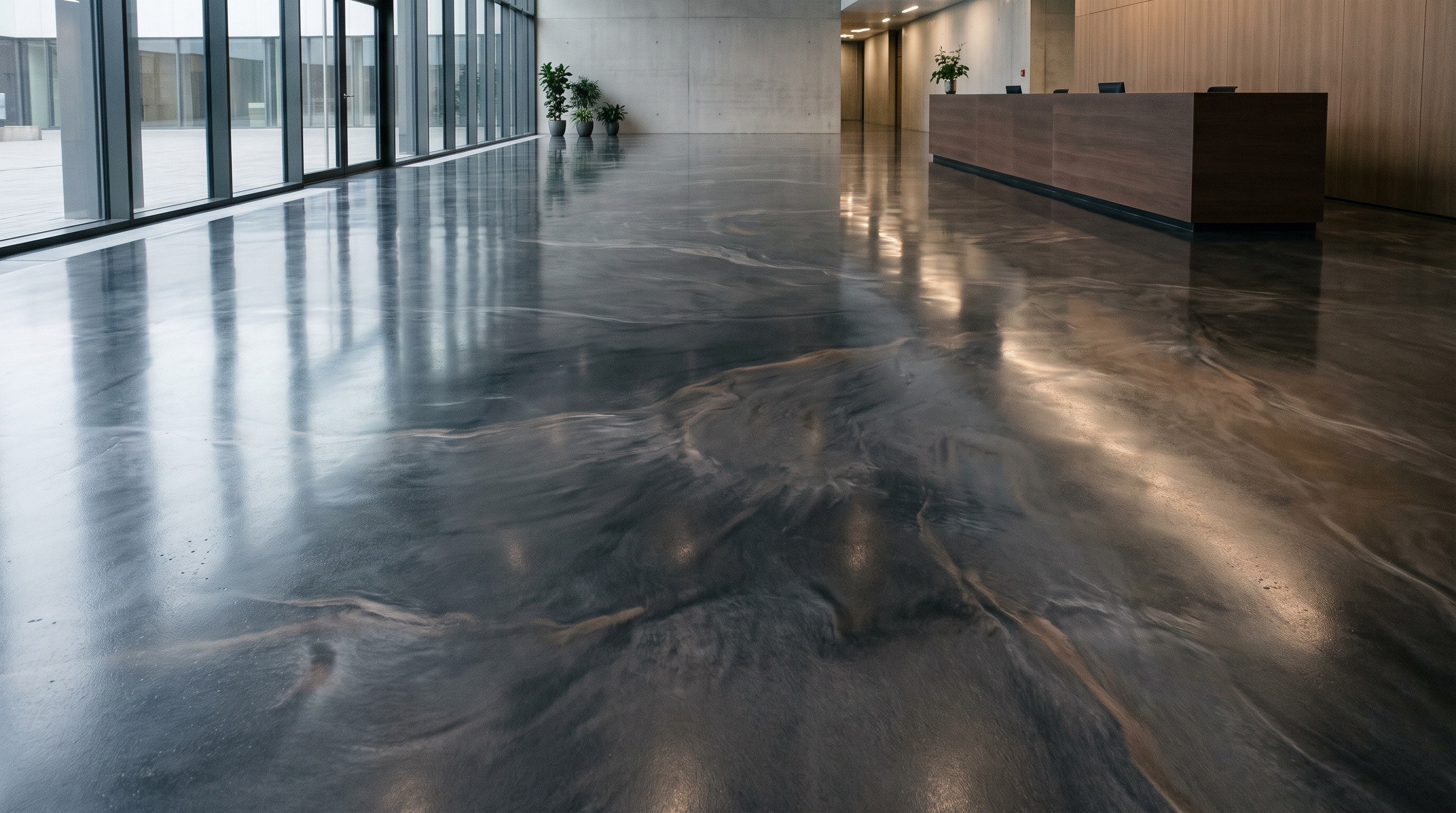
Metallic pigment suspended in epoxy, manipulated while it is still wet. The pattern comes from the installer's hands. No two floors are ever the same.
- No two floors come out alike
- Up to an eighth of an inch thick
- An interior floor, always
What it is
What a metallic floor is.
Metal pigment carried in a clear epoxy. The epoxy goes down and then it gets worked: poured, rolled and pushed around while it is still wet. The pigment drifts and separates while that happens, and what sets is the clouding and veining that reads as marble.
That movement is the floor. It is not a print, and no machine repeats it. Two rooms in the same building, laid the same day out of the same buckets, come out different.
Which puts the weight on one pass. The pour is worked once, wet, and it cannot be gone over again. It is also why flatness matters more here than on any other system we lay: gloss reports every wave in a slab, and a floor that was never flat shows it on day one.
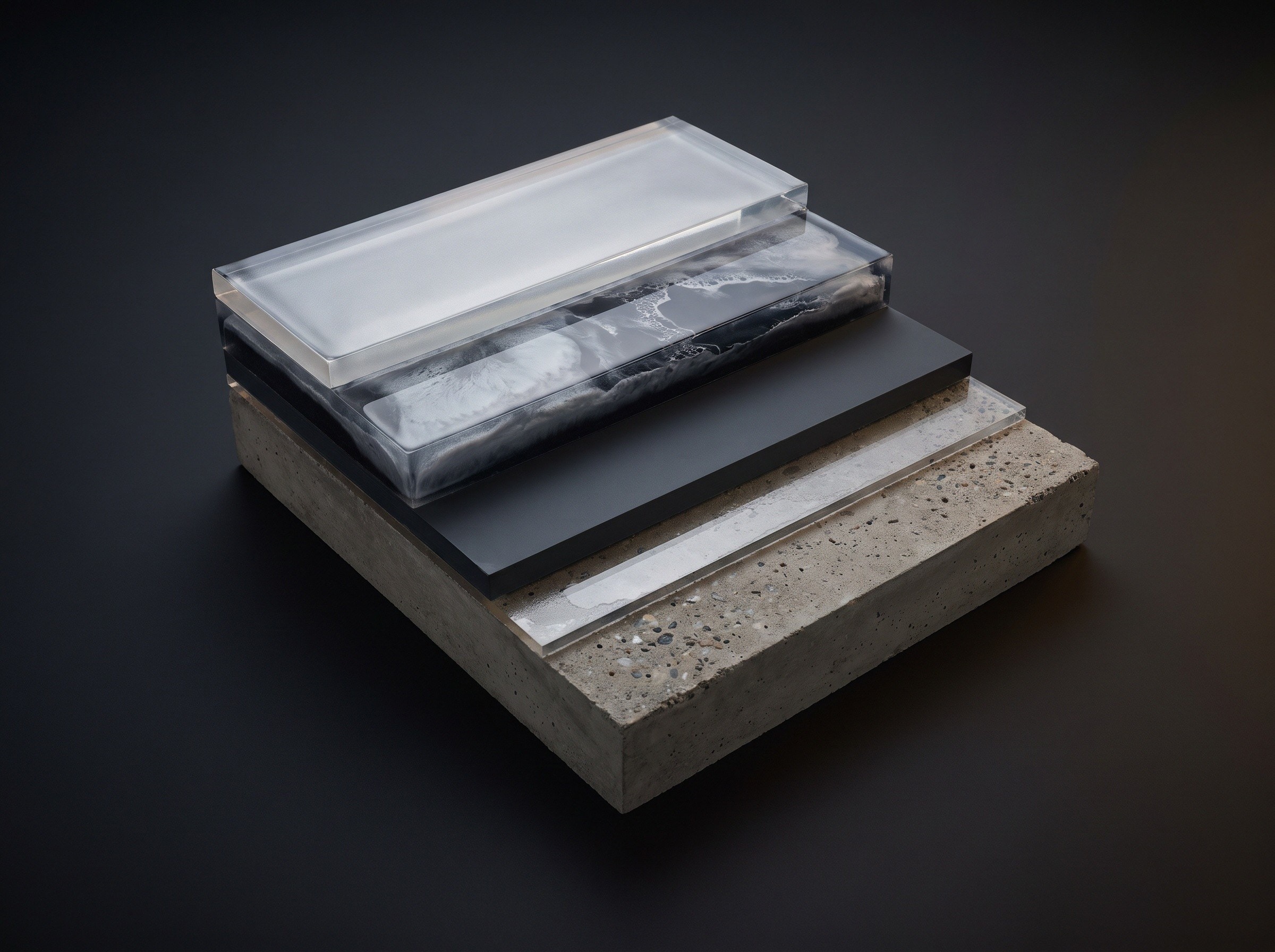
- PREPPED CONCRETE SLAB
- PRIMERSEALS THE PORE
- SOLID BASE COLORSETS THE DEPTH
- THE METALLIC POURWORKED WHILE WET
- CLEAR COATTAKES THE WEAR
Why metallic
Why you'd pick a metallic floor.
What a poured floor does that a broadcast floor cannot.
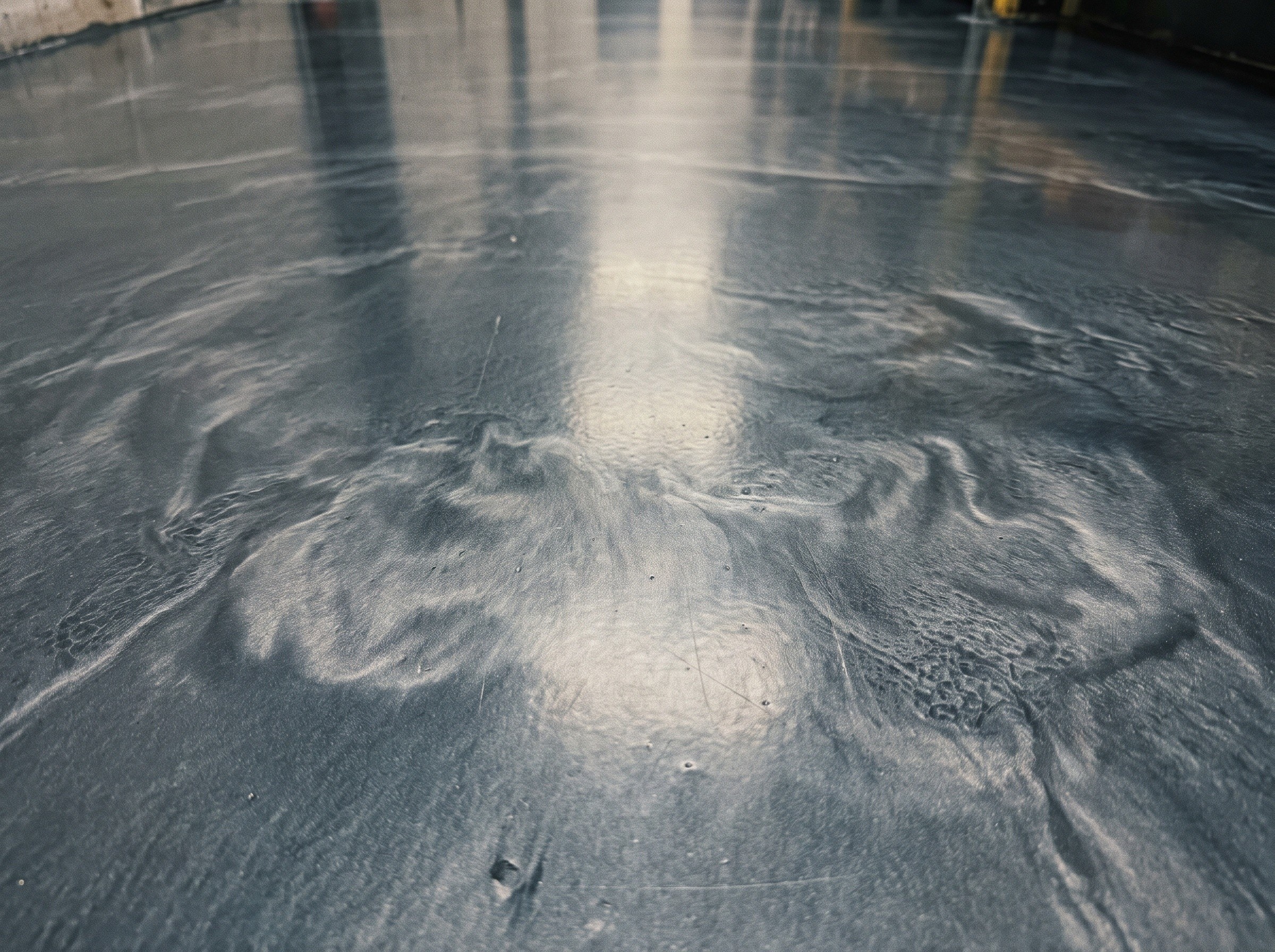
Yours is the only one.
It comes out of the installer's hands and out of nothing else, once, and nobody else ends up with the floor you get. That is the reason people buy this one.
One surface, no joints.
It is poured, so there is nothing to grout and nothing to hold dirt. A mop goes corner to corner.
The room gets brighter.
Gloss hands the light back instead of soaking it up. In a room with glass in it the floor does a share of the lighting.
Color, without a card.
There is no fixed set to pick from, so the floor gets specified for the room instead of chosen off a card.
The top coat suits the room.
The clear on top is chosen for the room it stands in, so a floor with daylight on it does not amber.
The wear is on top.
What takes the traffic is the clear coat, not the pigment under it. That is the layer that decides how long the floor keeps looking new.


Where it works
Where metallic floors go.
Where the floor is meant to be looked at. Light traffic, clean traffic, and a floor that is part of the room rather than the thing you stand on.
We lay metallic in Fort Worth and out across the Metroplex, with our own crews on the slab. Metallic is a finish decision, and the office and showroom pages are where that finish gets bought.
- ShowroomsWhere the floor is part of what people came to look at
- Offices and corridorsOpen floors and the routes between them
- Meeting roomsSmall rooms where every surface gets read
- Hotel lobbies and receptionThe first floor anyone walks on
- Retail floorsSales floors that get mopped every night
- Dining rooms and barsFront of house, where the kitchen floor is a different job


Where it stops
Where metallic is the wrong call.
Metallic isn't the right floor for every room. Where it isn't, there is a better one, and we say which.
A room you work in
Gloss shows tire scuffs, dropped tools and grit walked in on a boot, and it shows them from across the room.
In a room that gets worked in all day, the chip in a flake floor hides more of it.
Water on the floor
It is slick wet, and the grip that would fix it is not recommended in a metallic floor.
Where water lands regularly, quartz carries texture by design.
Outside
There is no exterior version of this floor, and we would rather say that now than after the first summer.
In Fort Worth that is no restriction: the rooms it belongs in are inside anyway.
A floor that has to repeat
Nobody can lay the same floor twice, not in two rooms on one job and not five years apart.
Where the look has to match across rooms, a broadcast floor is the buildable answer.
One very large open floor
A hot slab shortens how long a batch stays workable, and on this floor you can see where that ran out: the pattern stops where the bucket changed.
In summer that is a scheduling call rather than a material problem, so the season is part of the plan.
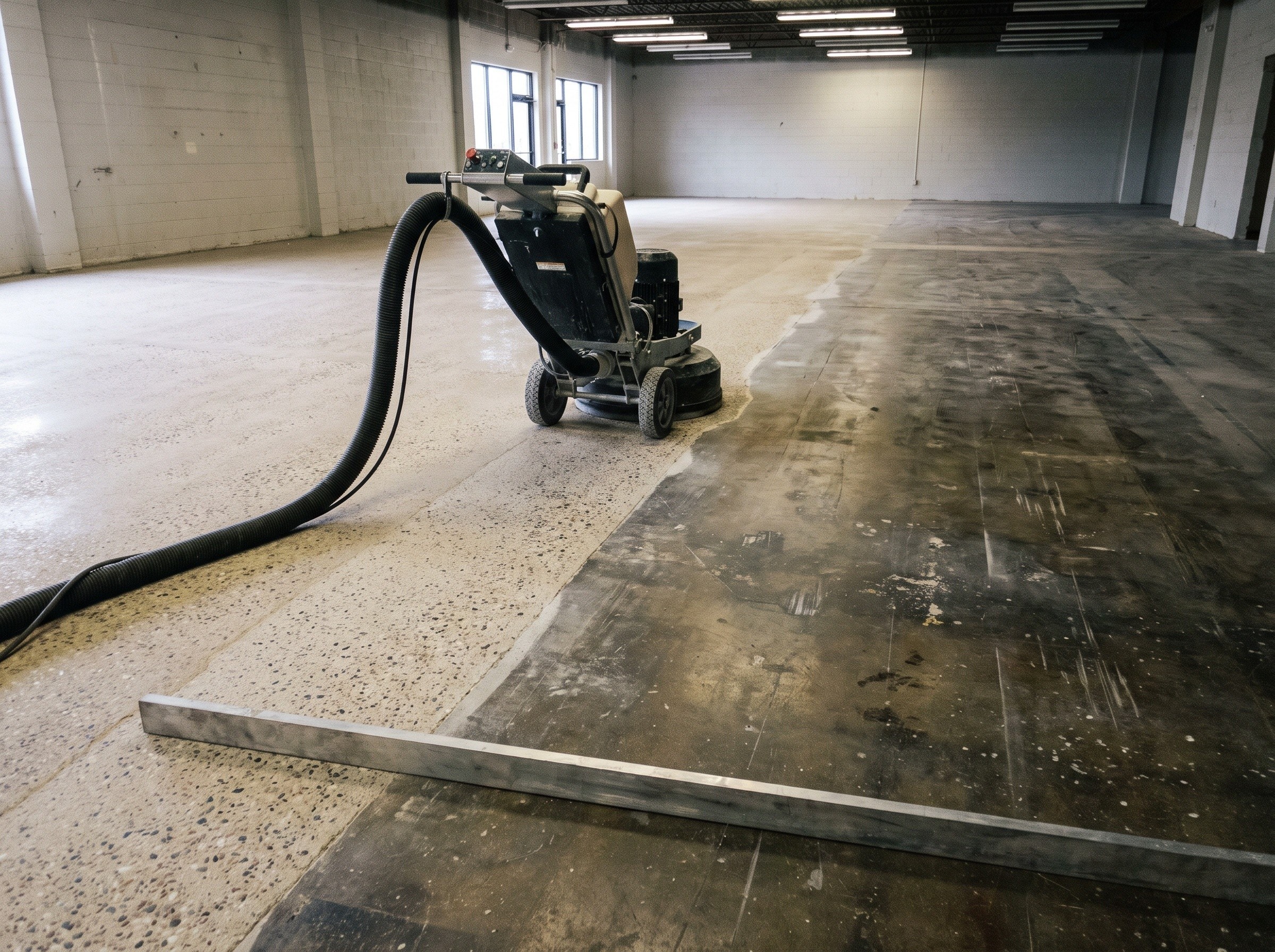
A slab that is out of level
Every other system forgives a wave. This one hands it back, because gloss shows the light bending over it.
That gets measured first, so correcting it is part of the quote rather than a surprise in it.


What you choose
Two color decisions, not one.
There is no card to pick from. What you choose is the color family, the base color under it, and how busy or how calm you want the floor to read.
These sixteen are examples of what the technique does, not a list to order from. A sample shows the character. It cannot show the pattern you will get, so that gets settled over samples on your own floor.
Then the color underneath
The metallic layer is only partly see-through, so the solid color under it decides how deep the whole floor reads. Same pour in all three below, three different base colors.

Dark base
The metal stands out hard against it and the floor reads deep.

Mid base
Contrast drops, and the pattern settles into the floor.
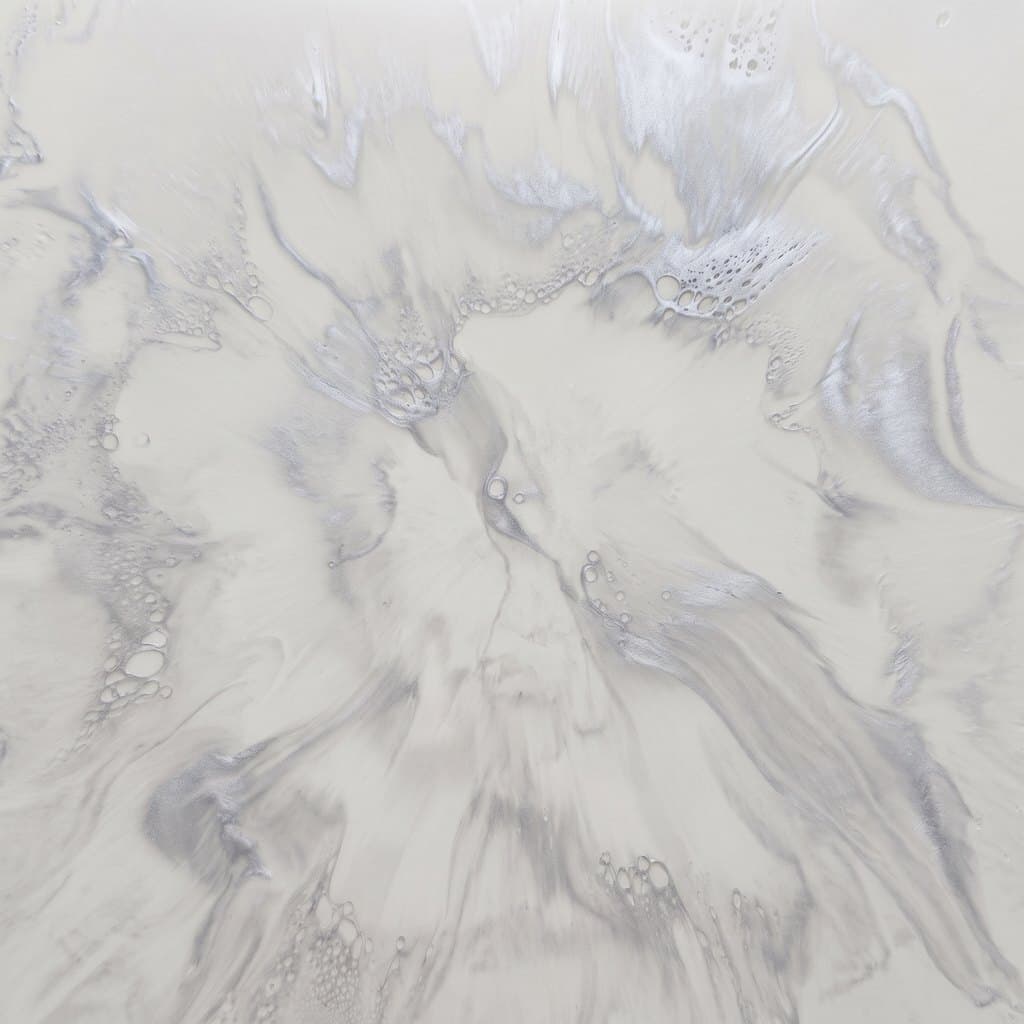
Light base
Barely any separation left, and the movement becomes a whisper.
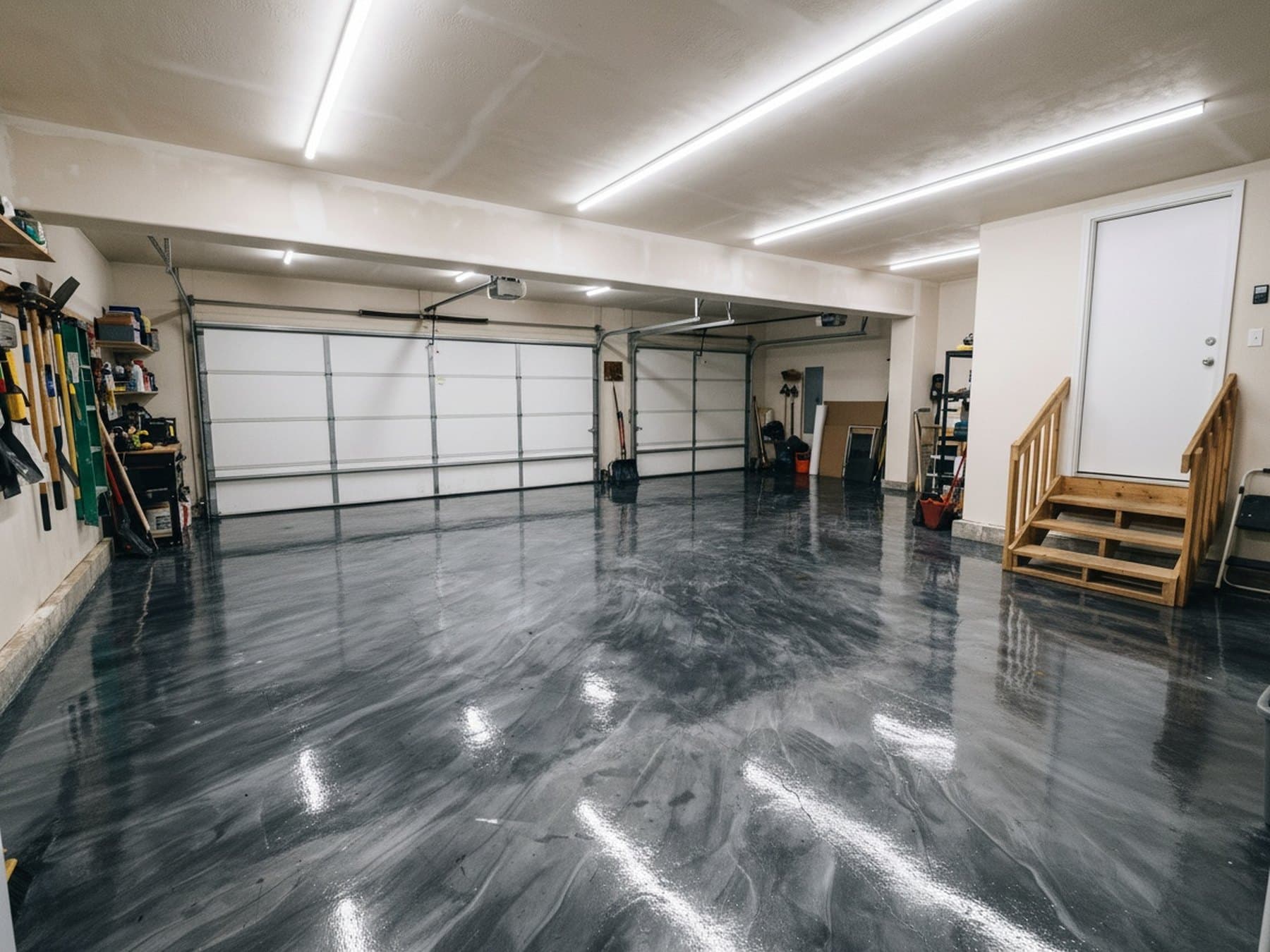
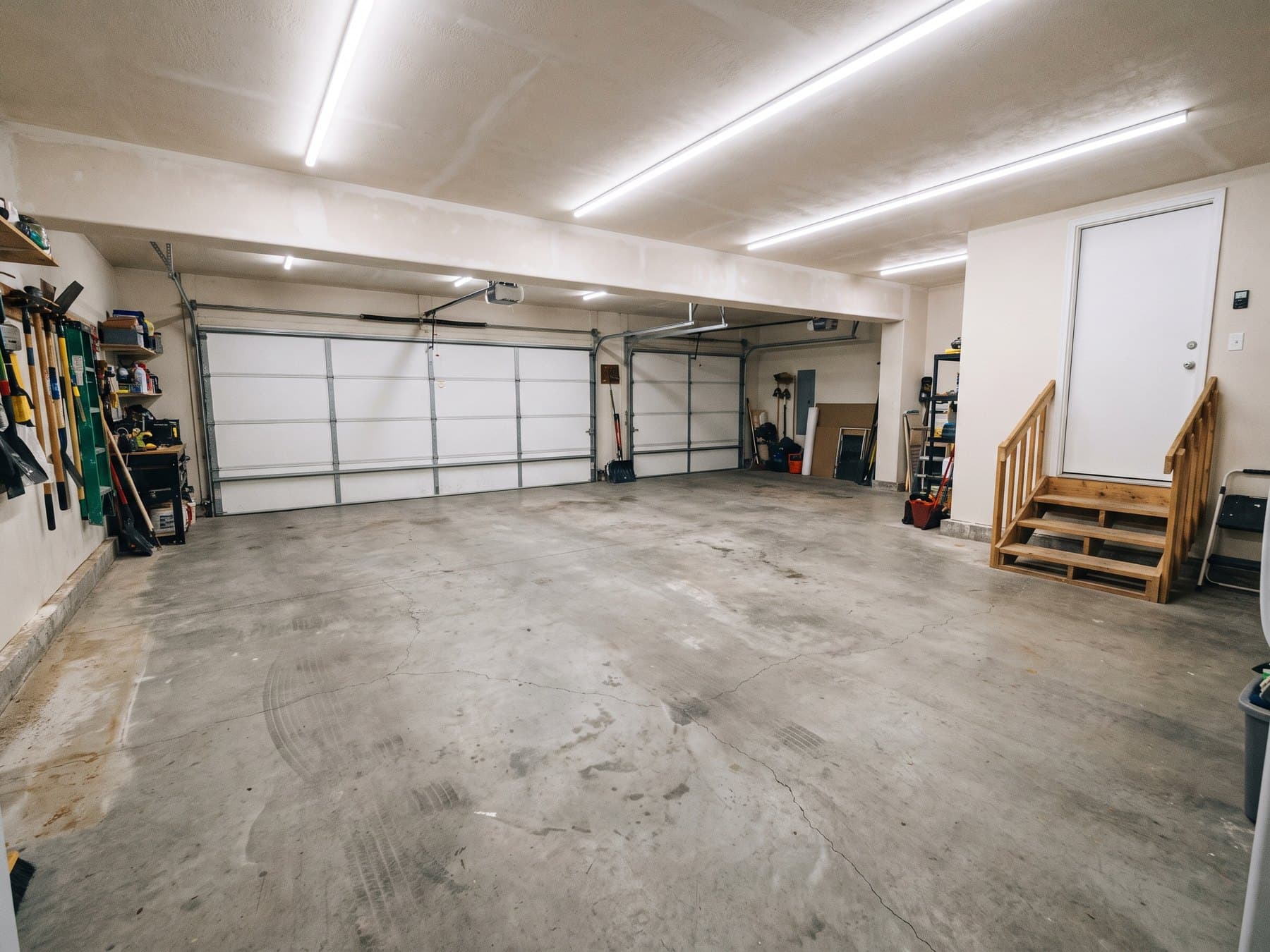
Floor visualizer
See it on your own floor.
Upload a photo of your floor, pick a finish, and see your metallic floor in about thirty seconds.
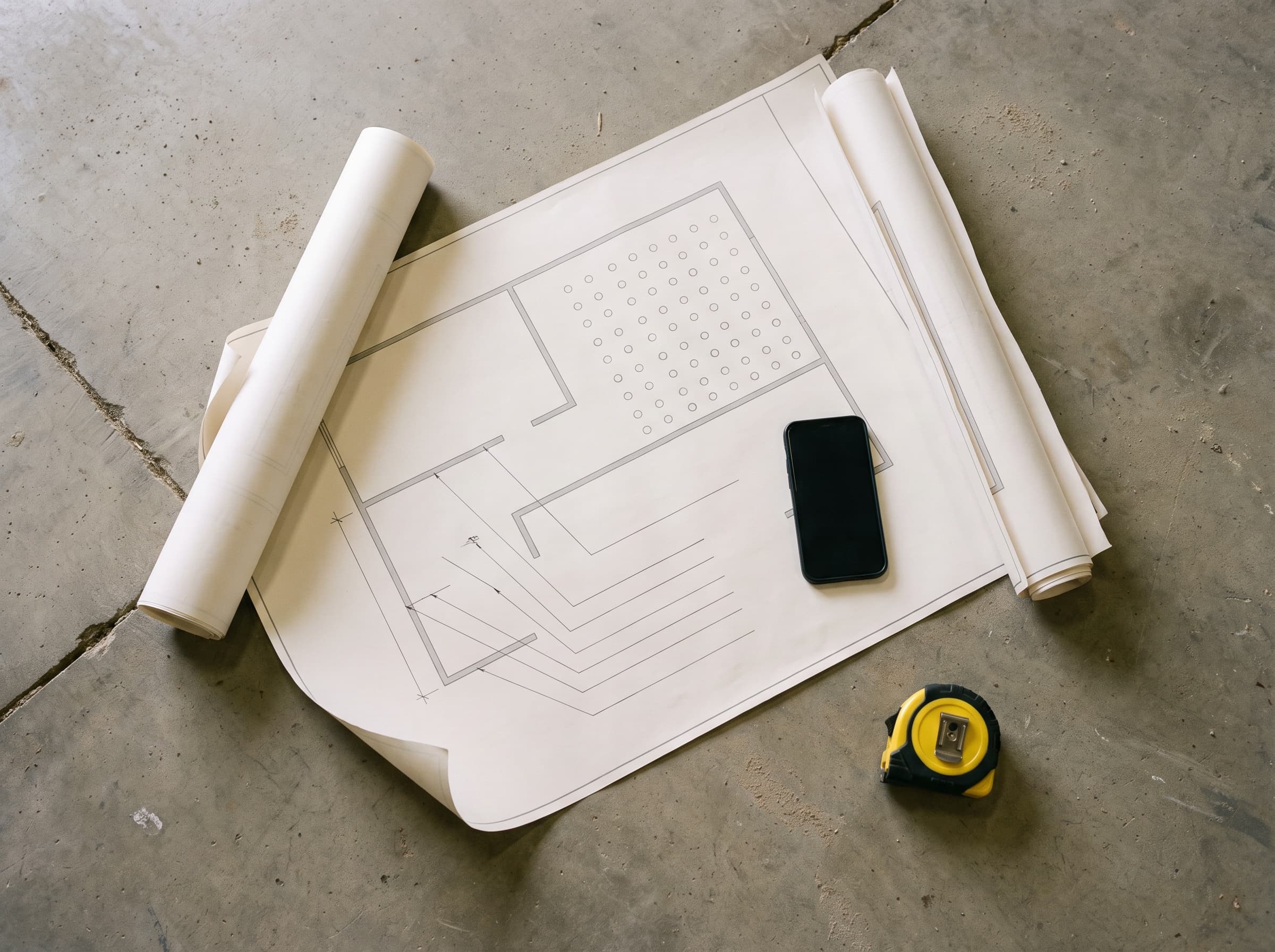
How a job runs
Decided before the first pour.
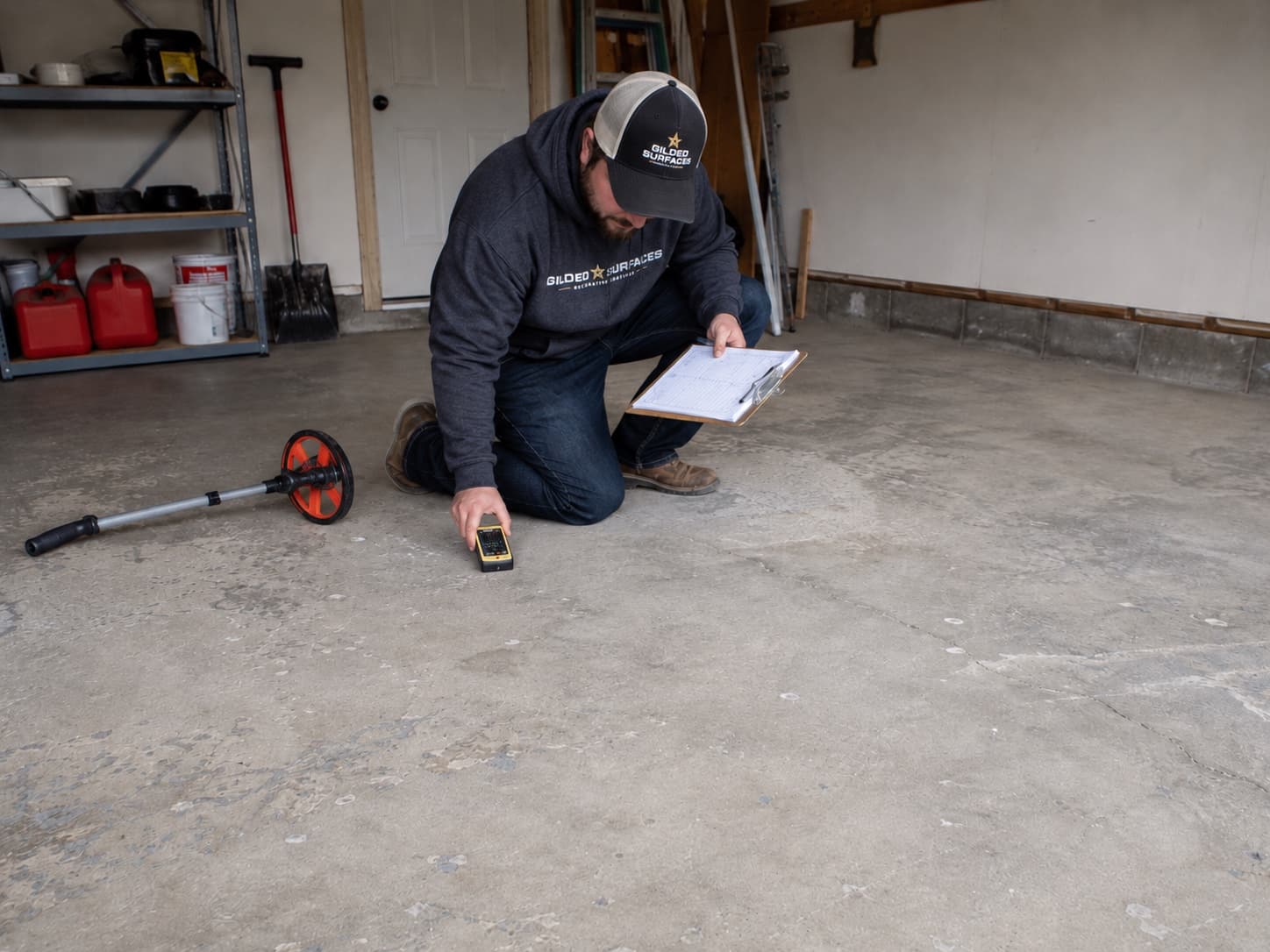
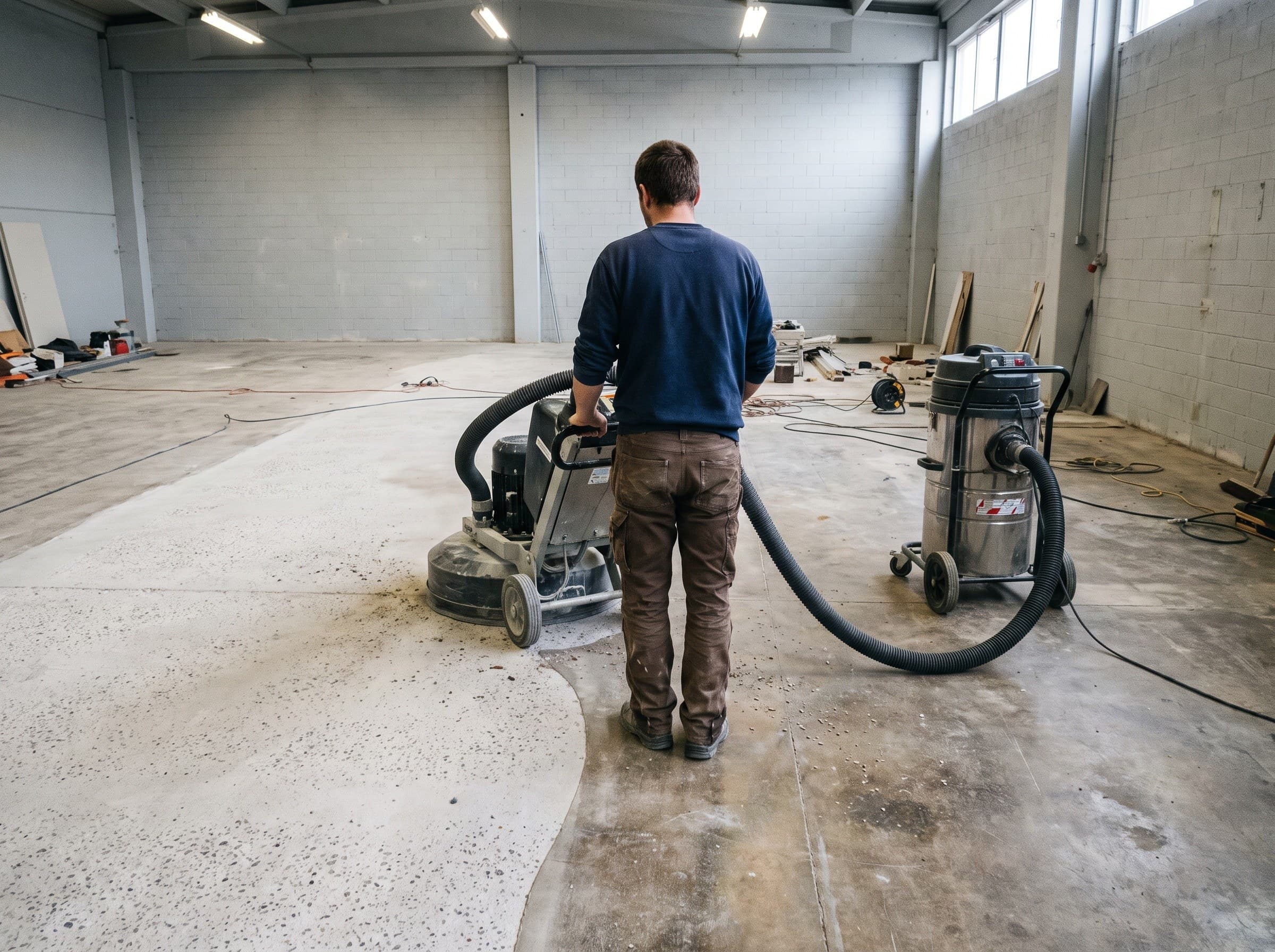
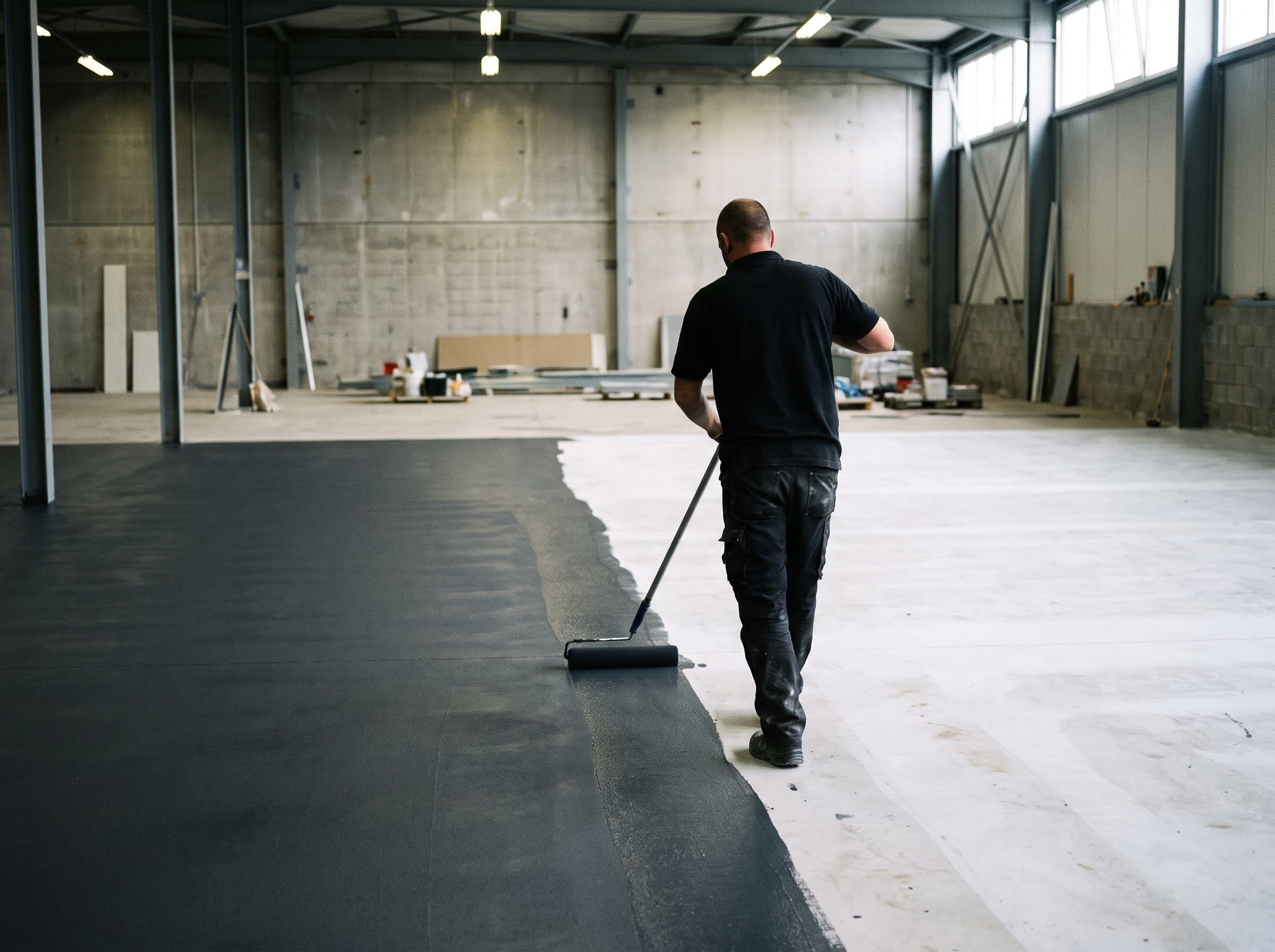
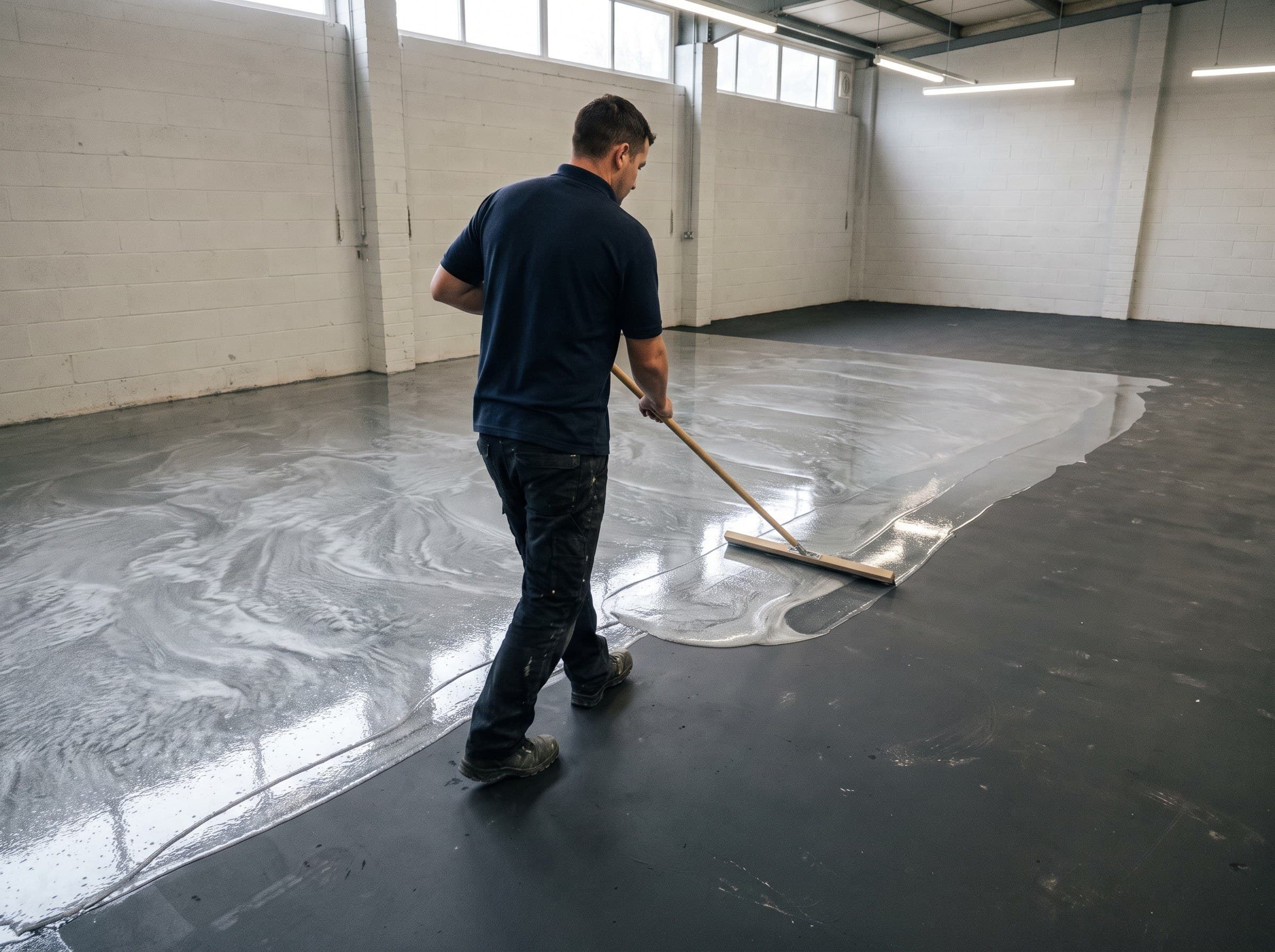
Six steps, from the photos you send to the walk-through at the end.
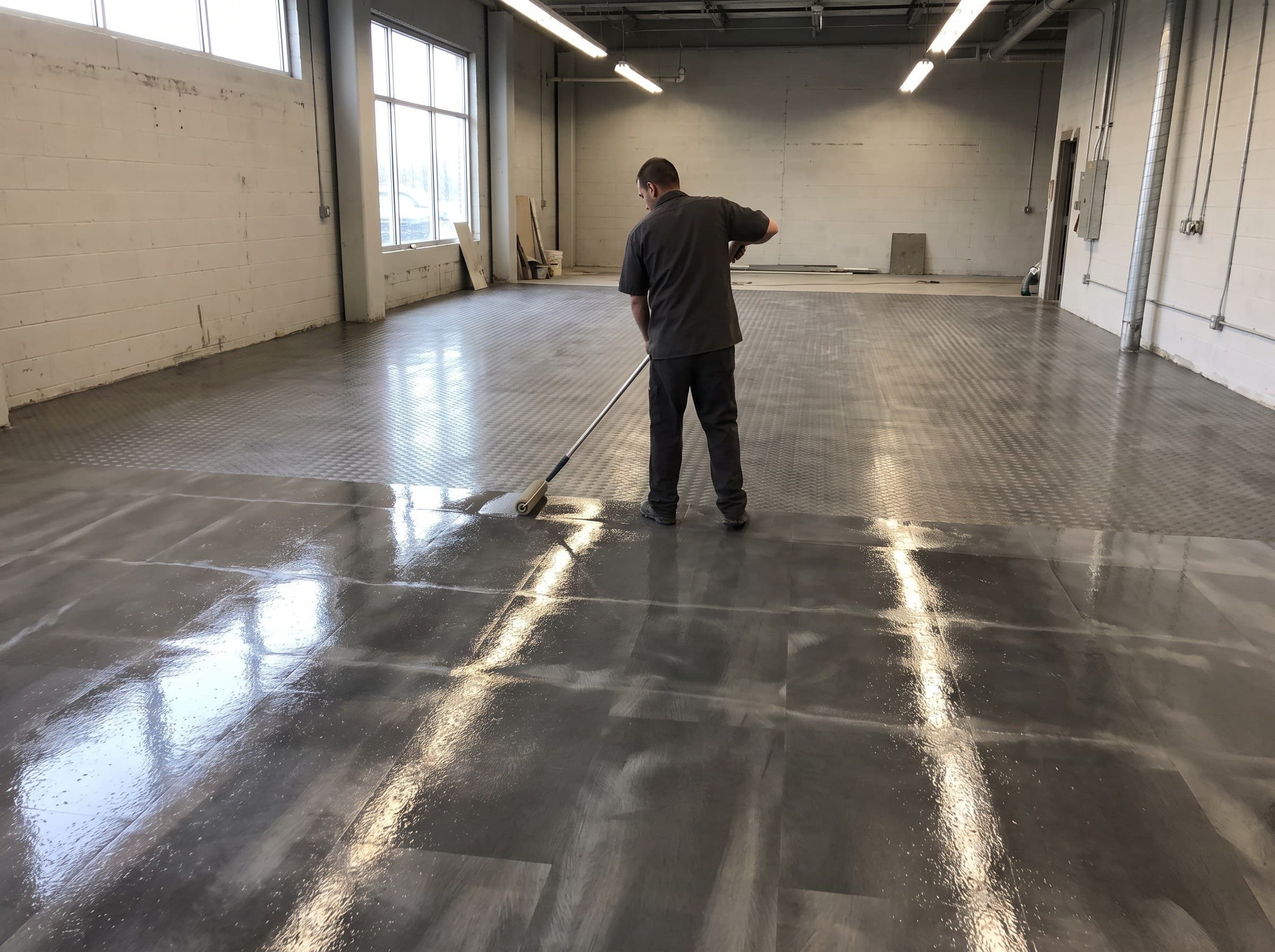
Not sure it's metallic?
Where the other three win.
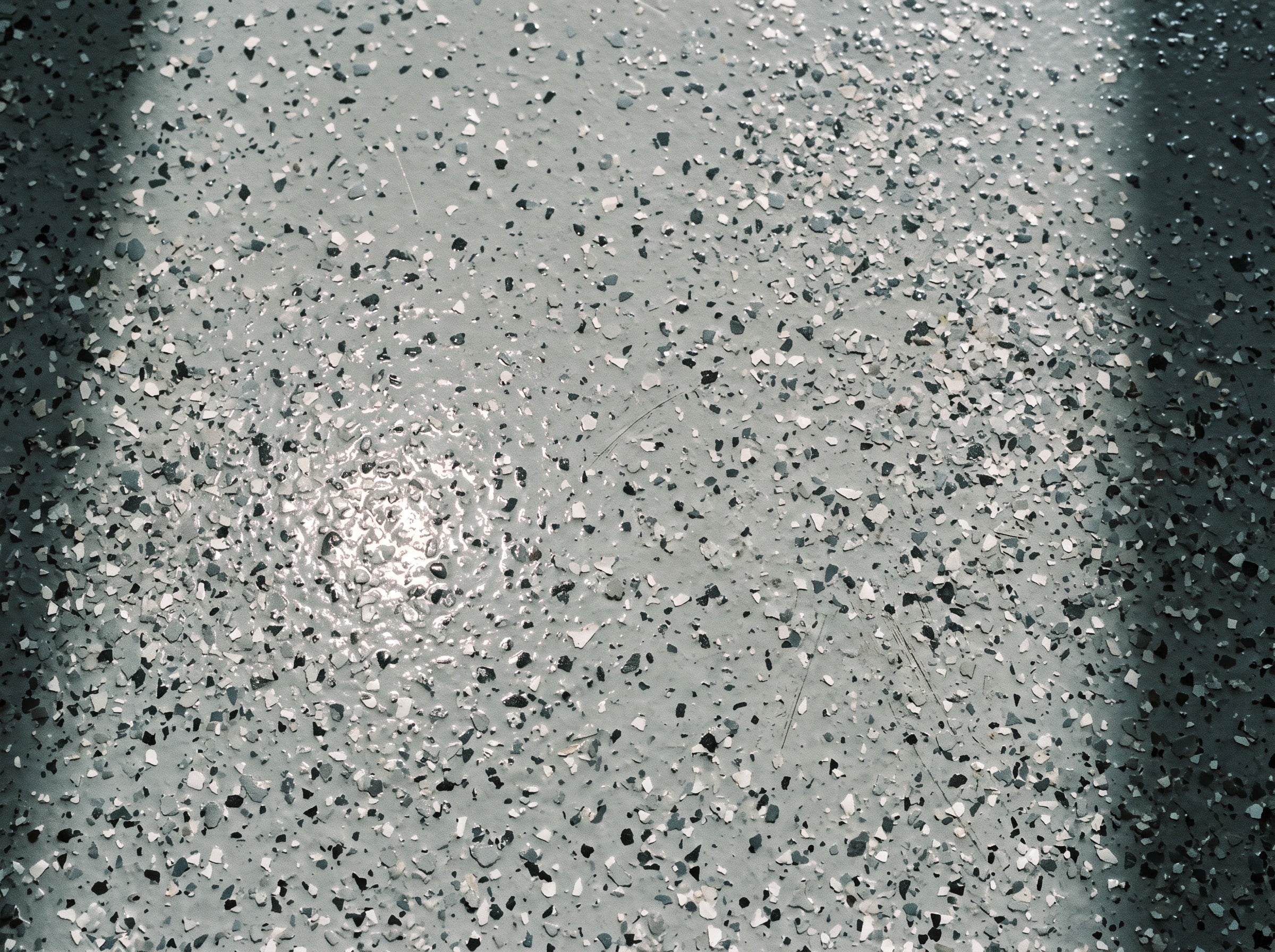 FlakeVinyl chip in the coat. Color and grip.
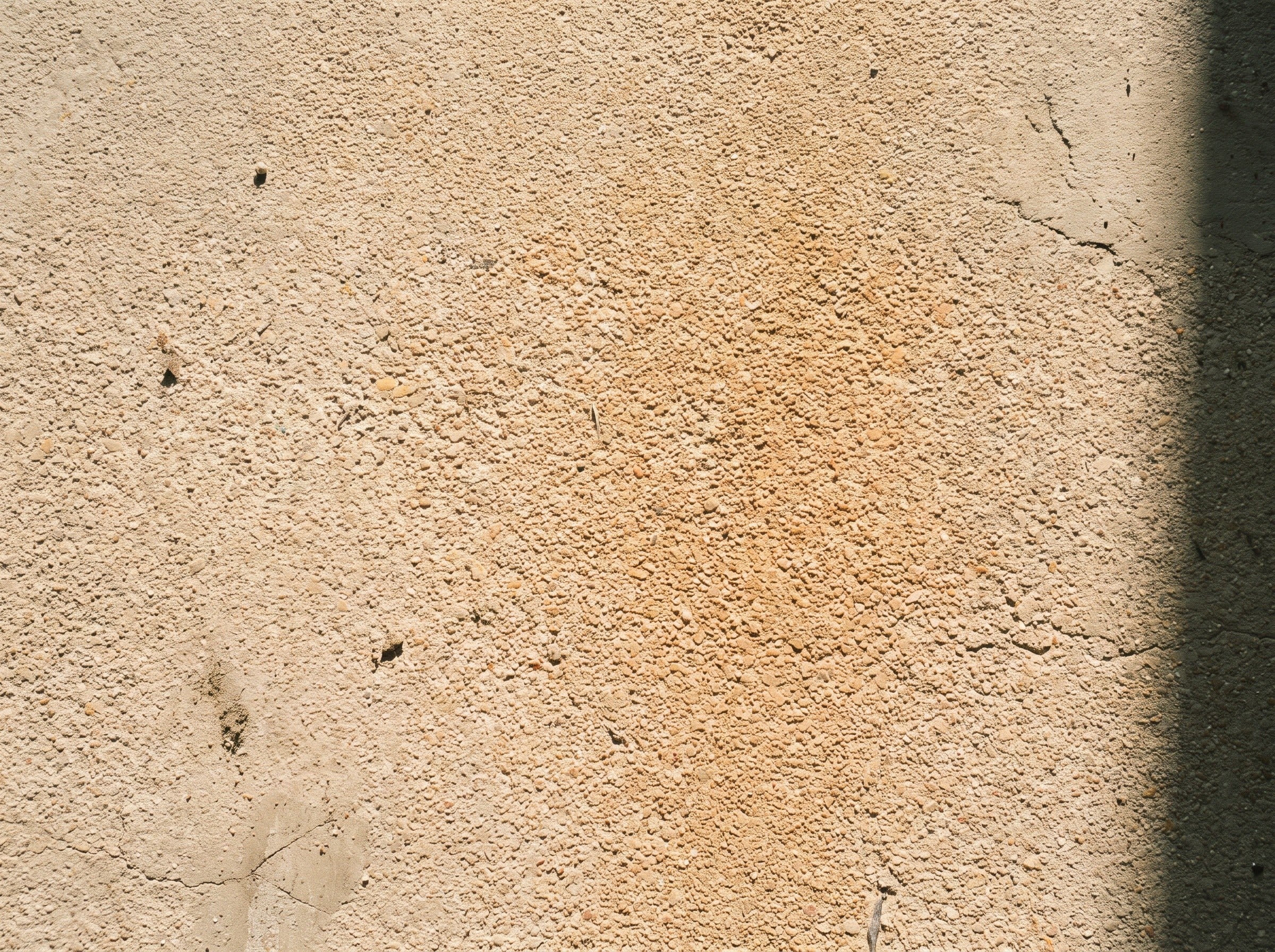 QuartzQuartz sand instead of chip. More texture underfoot.
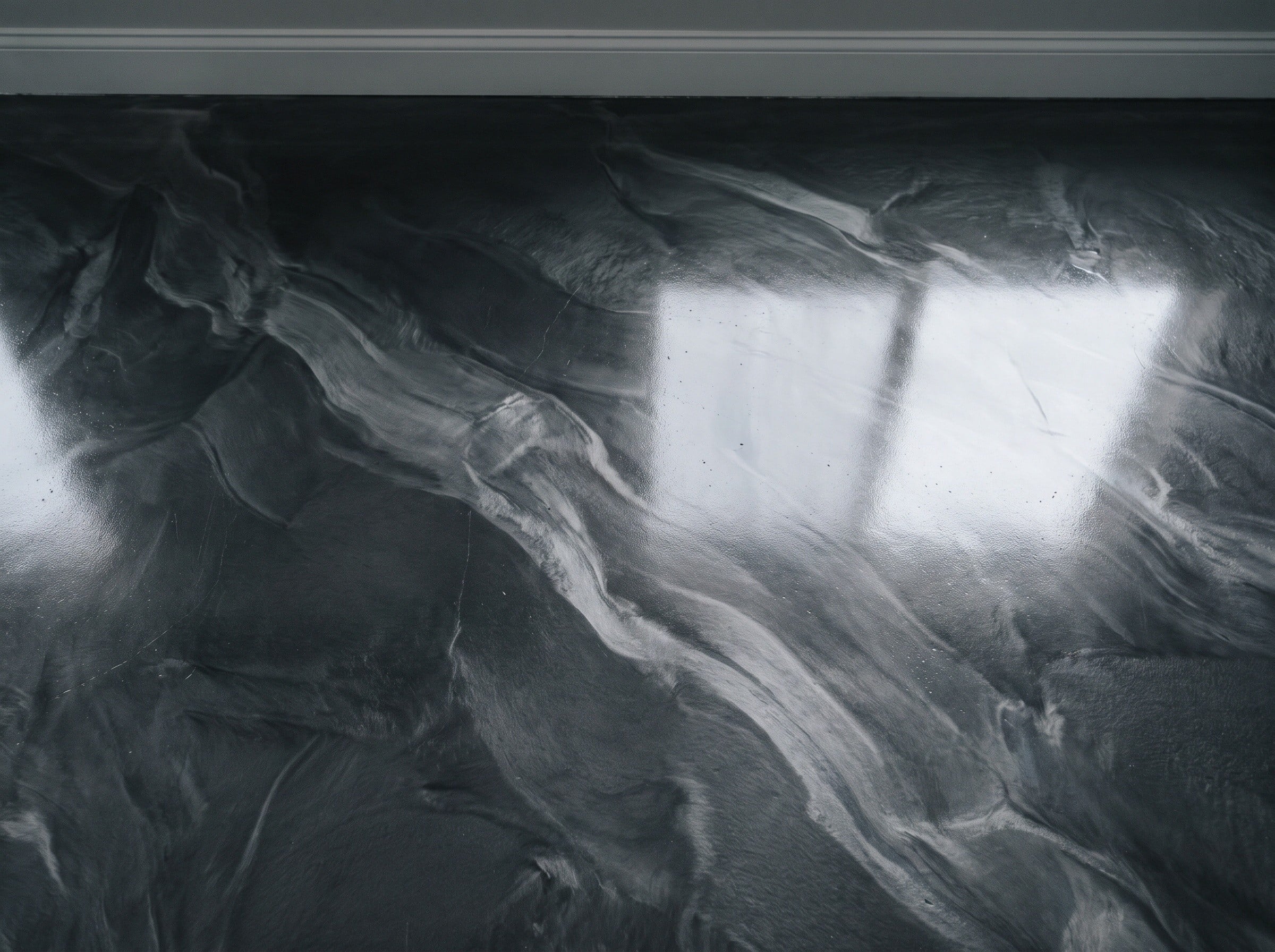 MetallicYou're herePigment worked through the resin. High gloss.
 Polished concreteNo coating at all. The slab, ground and polished.
Polyaspartic isn't a fifth floor. It's one of the two clear coats that can go over a metallic one. What polyaspartic does
Straight answers
Questions we get about metallic floors.
What people ask before they commit to a floor that only gets made once.
No, and no installer can. The pattern comes out of how the coat gets worked while it is wet, it happens once, and it is not repeated. What we can settle together, over samples, is the direction it goes in.
That depends on holding a wet edge across the whole floor. Lose it and the line where the work stopped stays there for the life of the floor. Room size and access are settled before a date goes in the book.
The metallic layer is pigment in epoxy, and that is where the name comes from. What goes over it is a separate product doing a separate job.
The gloss is the thing you maintain. Everything that happens to this floor happens to its top layer, and that is what gets renewed when it starts to flatten, rather than the floor being redone.
Gloss is the product and gloss is honest. Fine scratches that a matte floor swallows show up on this one, and after a year the walking line reads differently from the floor beside it. That is the top coat wearing, not the floor.
The room decides. Where daylight lands on the floor it gets a polyaspartic clear, because that one holds its color in sun. Where it does not, an epoxy clear does the same job.
Up to an eighth of an inch, built up over the primer, the base color and the clear. It is also why the slab underneath has to be flat before any of it goes down.
Get my free quote
Tell us what room this is for.
We'll say whether metallic is the right build for it, and what it would take.
Financing
You can pay over time.
Ask for it when we send your written price.
Prefer to talk?
(682) 224-0240Weekdays 7am to 4pm. After hours, leave a message and we call you back.